
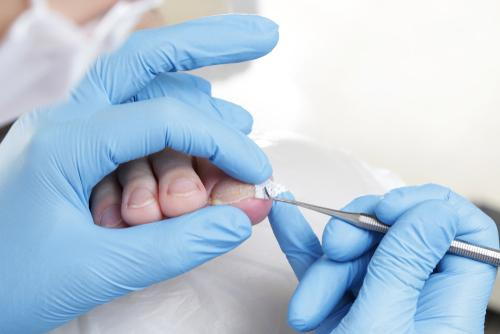
Ingrown toenails occur when the edge of a nail grows into the surrounding skin, causing pain, redness, and potential infection. At Foot & Ankle Center of Illinois in Springfield, Decatur, Carlinville, and Shelbyville, certain individuals are considered higher risk for developing this condition. People with diabetes, peripheral neuropathy, poor circulation, or a history of repeated nail problems may experience complications more quickly if ingrown toenails are left untreated. Preventive care is essential to maintain comfort, mobility, and overall foot health.
Common Causes in High-Risk Patients
High-risk individuals often develop ingrown toenails due to improper nail trimming, tight or restrictive footwear, or repeated trauma to the toe. Genetics can also play a role, as naturally curved nails are more likely to grow into the skin. In patients with reduced sensation or circulation, even minor nail problems can escalate into infections or ulcers if not addressed promptly. Understanding these risk factors allows for proactive strategies to reduce the likelihood of ingrown toenails.
Proper Nail Care Techniques
Maintaining proper nail care is one of the most effective preventive measures. Nails should be trimmed straight across rather than rounded at the edges to reduce the chance of the nail digging into the skin. Avoid cutting nails too short, and ensure shoes provide adequate space for toes to move freely. For high-risk patients, routine monitoring of toenail health is essential, as early intervention can prevent minor issues from developing into painful or infected ingrown nails.
The Role of Footwear and Lifestyle Adjustments
Footwear plays a significant role in preventing ingrown toenails. Shoes that are too tight, narrow, or pointed can compress the toes and increase the risk of nail complications. High-risk patients benefit from footwear with ample toe room and proper support. Additionally, avoiding repetitive trauma or high-impact activities on the toes can help maintain nail health and prevent irritation or injury that may contribute to ingrown toenails.
Professional Care and Preventive Strategies
Regular visits to a podiatrist are particularly important for high-risk individuals. Foot & Ankle Center of Illinois provides expert guidance on nail care, preventive strategies, and monitoring for early signs of problems. In some cases, minor in-office procedures may be recommended to correct nail shape or address recurring issues before they progress. Consistent professional oversight ensures that complications are minimized and foot health is maintained.
Take Steps to Protect Your Feet
Preventing ingrown toenails is especially important for individuals at higher risk of complications. Foot & Ankle Center of Illinois in Springfield, Decatur, Carlinville, and Shelbyville, offers specialized care and preventive strategies designed to keep toenails healthy and avoid pain or infection. To schedule an appointment and receive expert guidance, contact Foot & Ankle Center of Illinois at (217) 787-2700 today.